Precious Metal Artworks: Everything You Need to Know
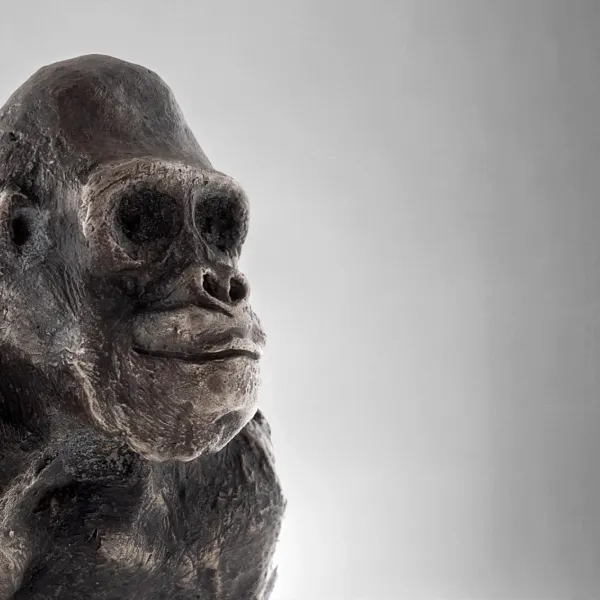
Precious metal artworks stand for more than craftsmanship alone. They embody lasting value. In a world of fleeting trends and unstable currencies, works in precious metal fascinate me particularly because they unite two dimensions: artistic design and material substance.
The worldwide supply of gold currently stands at around 4,953 tonnes, while known silver reserves amount to about 610,000 tonnes, as data from Statista shows.
These figures make clear the natural scarcity and the enduring value of these materials – a quality reflected in every work of art made from precious metal.
Why you can trust me as an expert on the subject of silver figurines
I am Frauke Deutsch, founder of BullionArt. For almost two decades I have devoted myself to bringing art and precious metal together. My focus is on high-quality silver figurines that unite artistic ambition with lasting value. Thanks to my many years of experience with fine silver and my close collaboration with established artists, I can guarantee quality, authenticity and exclusivity.
What are precious metal artworks?
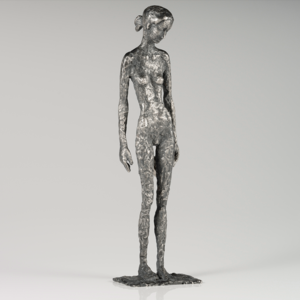
Precious metal artworks create an interface between artistic expression and material permanence. Works of art in precious metal unite the aesthetic ambition of art with the value of gold, silver, platinum or palladium. Unlike conventional art objects, they carry not only intangible but also substantial value. The metal used alone possesses an inherent value that exists independently of the art market.
Precious metal artworks are therefore not mass-market goods but precisely worked unique pieces or strictly limited small series. Often they are sculptures, medals or reliefs in which the metal is either used pure or combined with other materials. In many cases they are created in close collaboration between artists and experienced metal foundries or workshops.
What makes these works special is their duality: they are an artistic statement and an investment alike. That gives them a special position. Precious metal artworks cannot be placed entirely in the pure art world or in the classic world of investment.
I personally find precisely this symbiosis interesting, because it opens up new forms of collecting and investing.
Popular precious metals in art
In my view gold and silver hold a special position in art not only because of their visual effect but above all because of their deeply rooted stability of value. To this day both metals meet the requirement of securing value over the long term. That is precisely what makes them so unique, in an artistic context too.
While paper money is tied to trust, gold and silver offer substance. Both precious metals still count as a shield against the devaluation of money. I would recall that expansive measures in monetary policy – particularly since 2001 – have led to a stable upward trend in both metals. This development is no coincidence but an expression of a global loss of purchasing power in unbacked fiat currencies. In art, gold and silver thereby unfold a twofold effect.
In times of economic uncertainty in particular, works made from these materials gain in importance, not merely for aesthetic reasons but as a solid form of preserving value.
For me that is one of the central reasons why artists and collectors have always reached for these metals.
Well-known precious metal artworks & artists
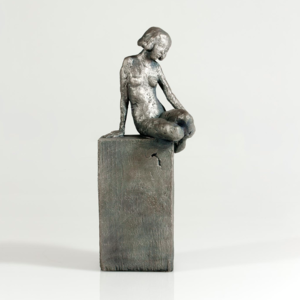
Precious metal art has many faces. These range from ancient silver reliefs to contemporary sculptures in fine gold. Works that combine craft precision with artistic depth stand out. Impressive examples can be found in museums or private collections.
At BullionArt the focus lies on precisely this connection: artists such as Susanne Kraisser or Pierre-Paul Maillé stand for sculptural expressiveness, while Tomas Medek or Maximilian Verhas convince through technical refinement.
I find motifs such as the bull or the gorilla particularly interesting, as they take on a language entirely of their own through the style of the respective artist.
For me it is not the big name that counts but the substance of the work. Many collaborations arise spontaneously, for instance through encounters at fairs, studio visits or creative exchange with the foundry.
What remains decisive: every work has to convince through quality, attitude and form before it earns its place as a precious metal artwork.
Precious metal artworks as an investment
For a long time now I have regarded precious metal artworks not only as an expression of cultural skill but also as a form of long-term protection of wealth. That is how precious metal artworks become an investment.
According to Solit Kapital, the gold price has recorded average growth of around 9% per year since 2001, measured in euros. Silver rose by almost 7% annually over the same period (as at January 2024). This development is no coincidence but an expression of a creeping loss of purchasing power in fiat currencies worldwide.
That is precisely why I see silver figurines as a particularly interesting form of investment. They unite several properties: the pure material value with craft precision, depth of design and the signature of selected artists. Their scarce availability provides additional exclusivity.
An example of precious metal artworks: silver sculptures by BullionArt
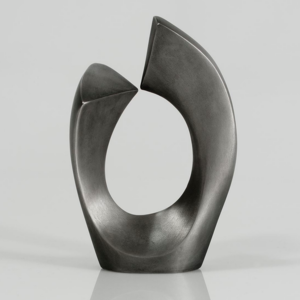
Made from the purest fine silver (999), our sculptures are not produced industrially but in specialised foundries. Here the precious metal artworks are made piece by piece in the hands of experienced craftspeople. What convinces me about this concept is the clear distinction from mere investment coins or mass-market products: here it is not the silver value alone that is central but an artistic ambition.
Every figurine is produced in a strictly limited edition. This is an aspect that is particularly important for collectors, because rarity is a decisive factor for long-term market value. The artistic design additionally influences the collector value, as does the reputation of the respective artist. Combined with the inner value of the silver, this results in a twofold added value.
Which precious metals are particularly suited to works of art?
In my view silver is outstandingly suited to artistic work, because it not only looks refined but also has excellent properties for working. The soft structure of fine silver (999) allows particularly fine detail. At the same time silver possesses an inner value that endures over centuries.
Silver figurines therefore convince through their twofold value dimension. On top of this: in economically turbulent times the appeal of silver as a safe haven rises. At the same time the following precious metals also come into consideration for works of art:
Gold: high material value, resistant to corrosion, rich in symbolism.
Platinum: extremely resistant, rare and heavy.
Palladium: lighter than platinum, yet refined and valuable.
Rhodium: mostly used as a coating.
Copper: not a classic precious metal, but a common alloying element.
Bronze: traditional in sculpture, suited to larger works with a patina.
Precious metal artworks or art on canvas? Which is better?
In my view precious metal artworks offer decisive advantages over classic canvas art. While paintings primarily possess intangible value and depend heavily on the art market, works in precious metal combine artistic expressiveness with a measurable value in substance. The material alone – fine silver or fine gold, say – represents a stable basis of value, independent of trends on the art market.
Precious metals are also not subject to the risk of a total loss of value, as can happen with less well-known canvas works. With sculptures or medals in high demand in particular, an additional collector value comes into play that can influence price developments positively.