Silver Collectibles: A Guide for Enthusiasts and Investors
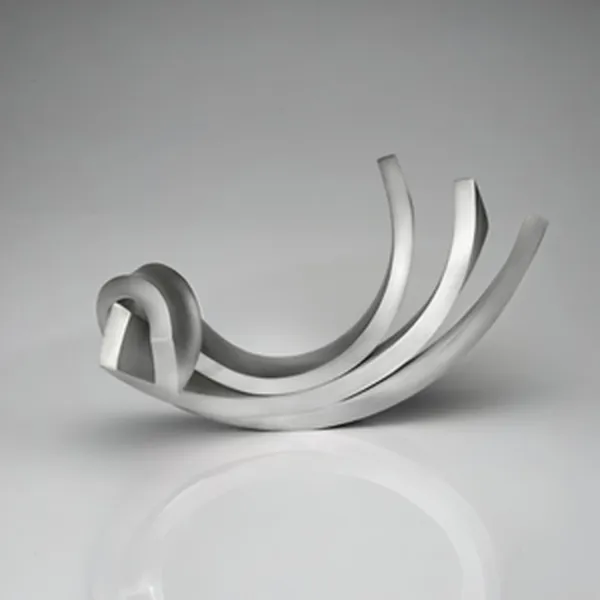
Silver collectibles enjoy great popularity, as they combine the aesthetic appeal of art with the material value of precious metals. This makes them sought-after investment objects for art lovers and investors alike. The return speaks for itself: the silver price rose sixfold from around 5 US dollars in 2000 to around 30 US dollars in 2024.
Collecting silver does require a certain amount of attention, however. Proper cleaning, protection against damage and suitable storage are essential in order to preserve the value and the beauty of the collectibles over the long term and to make the investment a profitable one.
So in the article below we look at what kinds of silver collectibles there are, why buying silver makes sense and what else enthusiasts and investors need to take into account.
Why you can trust me as an expert on the subject of silver collectibles
So why are we at BullionArt experts on everything to do with silver collectibles? Through our years of experience and well-founded expertise we have developed a deep passion for silver. I, Frauke Deutsch, am the founder of BullionArt and have acquired extensive knowledge of the precious metals market and the art trade. We offer limited sculptures by selected artists, made from pure 999 fine silver. That is how BullionArt has become a trustworthy partner for buying silver collectibles.
Kinds of silver collectibles
Silver collectibles come in various forms, each with its own appeal and value – an overview:
• Coins
• Historic silver coins
• Commemorative coins
• Modern collector coins
• Bars and medals
• Silver cutlery and tableware
• Pieces of jewellery
• Art and decorative objects (for example at BullionArt)
There are also differences between antique and modern silver collectibles. Antique pieces are often unique and have historical significance, while modern collectibles stand out through their limited edition and contemporary craftsmanship. Both categories offer different advantages for collectors and investors, from historical value through to modern aesthetics. All kinds of silver collectibles can be lucrative for investors.
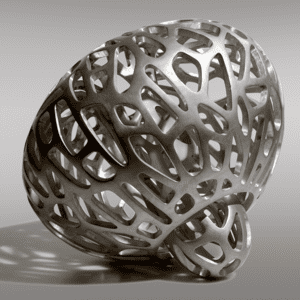
Investment aspects of silver collectibles
Investments in silver collectibles offer a mixture of material value and cultural significance. The use of silver goes back to antiquity. The Phoenicians and Romans used it for jewellery, coins and household objects. Silver is also the most reflective metal and an excellent conductor of electricity and heat, which explains its use in jewellery, coins, electronics and even in medicine. Unlike gold, silver is also an industrial metal, which results in significant demand.
In times of economic crisis in particular, silver, alongside gold, has proved through the stability of its price and value to be an important form of investment. Silver collectibles offer not only the intrinsic material value of the precious metal but also artistic quality.
Long-term investment: silver collectibles can gain in value over long periods, especially rare and well-preserved pieces.
Diversification: collectibles offer a way to diversify an investment portfolio and spread risk.
Stability of value: in economically uncertain times, silver collectibles often retain their value or even rise, which makes them a stable investment.
Material and cultural value: the combination of material value and cultural significance makes silver collectibles particularly attractive.
Opportunities: rare pieces can rise considerably in value, especially if they are historically or artistically significant.
Risks: market prices for precious metals can fluctuate. There is a risk of forgeries. Thorough examination and certificates of authenticity are therefore indispensable.
Valuing silver collectibles
Valuing silver collectibles requires a careful analysis of several factors in order to determine their actual worth. One of the most important aspects is age. Rarity likewise plays a decisive role. Limited editions or unique pieces are as a rule more valuable.
The condition of the collectible is another essential factor. Pieces without scratches, tarnishing or damage are considerably more valuable than those with visible flaws. The quality of manufacture likewise influences the value. Artfully made pieces by renowned artists or manufactories achieve higher prices.
Certificates and proof of authenticity are of great importance. They confirm the authenticity and provenance of the collectible and can increase its value considerably. Without such proof it can be difficult to determine the true value of a piece or to sell it.
Hallmarks and markings are helpful for identifying genuine silver. They provide information about the fineness of the silver (for example 999 for pure silver). Weight can also be an indicator of authenticity, since silver has a higher density than many other metals.
Important factors when valuing silver collectibles:
• Rarity: limited editions or unique pieces are particularly valuable.
• Condition: pieces without damage are more valuable.
• Quality of manufacture: renowned artists and manufactories increase the value.
• Certificates and proof of authenticity: they confirm authenticity and provenance.
Tips for identifying genuine silver
• Hallmarks and markings: they provide information about the fineness.
• Weight: silver has a higher density than many other metals.
• Renowned suppliers: they check and guarantee the authenticity of silver.
Where can you buy silver collectibles?
Silver collectibles can be acquired in various places:
Important markets and auction houses: Sotheby’s, Christie’s and local auction houses often offer rare and antique pieces with certificates of authenticity.
Coin dealers and specialist shops: local and specialised dealers offer a broad selection of silver coins and collectibles and often provide well-founded advice.
Online platforms: specialised sites such as BullionArt make it possible to buy silver collectibles. With us, collectors will find high-quality, limited silver sculptures and art objects that are attractive both as an investment and as collectibles.
Care and storage of silver collectibles
The care and storage of silver collectibles require particular attention in order to preserve both value and beauty. Silver is prone to tarnishing and damage, so proper cleaning and storage techniques are indispensable. Mild cleaning agents and soft cloths are ideal for avoiding scratches. Moisture and direct sunlight should be avoided, as they can accelerate tarnishing.
Tips on care:
• Use special silver cleaners and soft cloths
• Store in dry rooms
• Avoid contact with chemical substances
• Store each piece separately to avoid scratches
• Avoid common mistakes such as using abrasives or aggressive cleaners