Which Silver Is the Best?

Silver has fascinated people for centuries – as an investment, for jewellery or in industry. But which silver is the best?
In this article I show which types of silver there are, what matters in choosing between them and what the differences are. The combination of investment and art through exclusive silver sculptures is particularly interesting. One very specific silver is suited to that too.
Why you can trust me as an expert on the subject of silver
My name is Frauke Deutsch and I founded BullionArt in order to bring art and investment together. With my in-depth expertise in limited silver sculptures I offer exclusive works of art that possess aesthetic and financial value alike.
The sculptures are created in collaboration with renowned artists and are made in a strictly limited edition. Every piece undergoes a careful examination to ensure the highest quality and authenticity.
This combination of craft perfection and lasting value makes our sculptures by BullionArt a high-quality investment.
Why choosing the right silver matters
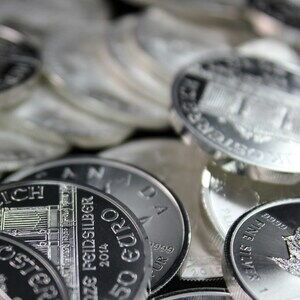
Silver is often used as an investment vehicle, yet not every silver product offers the same stability of value. Classic investment coins such as the Maple Leaf or Krugerrand consist of pure silver and count as a safe option. But there are alternatives that are not only stable in value but also artistically appealing. Sculptures in fine silver, as made by BullionArt, unite investment with aesthetic ambition.
In my opinion this combination offers a particular advantage: anyone who sees silver as more than a store of value will find here a further way to invest capital sensibly.
Which silver is the best therefore always depends on the intended use. Fine silver offers a high purity and is ideal for storing value, while sterling silver is more robust and better suited to making jewellery.
The different types of silver and their properties
The material differs depending on the degree of purity and the intended use. Anyone wondering which silver is the best should know the different types of silver and their properties.
Fine silver (999, 999.9) is the purest form of silver and therefore particularly valuable. It is outstandingly suited to investment purposes and is highly liquid, because it is traded around the world every day.
Sterling silver (925) is the most common alloy for jewellery. The addition of copper makes the material harder and more resistant, which makes it ideal for everyday use.
Britannia silver (958) contains more silver than sterling silver, but is rarer and suited to pieces of jewellery, everyday objects or coins.
Coin silver comes in various degrees of purity, such as 900, 835 or 800 silver. It was often used for circulating coins in the past, as it is harder than fine silver.
Industrial silver usually contains further metals and is used in technology and medicine. Argentium silver is a modern alloy that contains germanium alongside silver. This makes it particularly resistant to tarnishing and harder than sterling silver.
Another special form is Tibetan silver, which is often used for traditional pieces of jewellery. It often contains only a small proportion of silver, however, while the rest consists of copper, nickel or tin. Caution is called for here. Even less to do with real silver is nickel silver. This alloy consists of copper, nickel and zinc and is often used for cutlery or decorative objects.
In my view fine silver is the best choice for investors, not least because of its liquidity – especially when it is preserved in artful form.
Silver for jewellery: which alloy is the best?
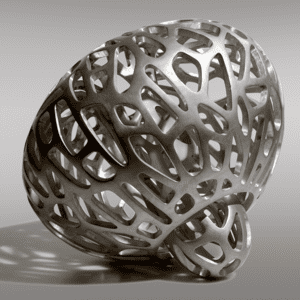
Silver is a popular choice for jewellery, but not every alloy is equally suitable. Sterling silver (925 silver) is the most frequently used variant, as the addition of copper makes it harder and more resistant than pure fine silver. A great advantage is its refined look at an affordable price. Sterling silver does tend to tarnish over time, however, so regular care is necessary here.
Anyone looking for an alternative turns to white gold or platinum. White gold is more resistant and does not change colour so quickly, but costs considerably more. Platinum in turn is extremely durable, hypoallergenic and particularly stable in value.
Ultimately the choice depends on individual preferences. Sterling silver remains the best combination of price and quality, while white gold or platinum are of interest to those who prefer even greater durability.
Silver as an investment: what should you watch for?
Silver is among the most sought-after precious metals for investors. But there are considerable differences when choosing the right form of investment. Silver coins and silver bars are classic options for investors. Besides their silver value, coins often carry a collector’s premium. Bars, by contrast, are a cost-efficient way to acquire larger quantities.
A special form of investment is the silver sculptures by BullionArt. They consist of fine silver and combine the value of a precious metal with aesthetic art. While classic investment silver products depend only on the spot price, the sculptures additionally possess an artistic value that makes them special.
The difference between investment silver and collector silver is also decisive. Pure investment silver follows the silver price, while collector coins often achieve higher premiums through rarity or historical significance.
The silver price has seen a steady increase in value over recent decades. Since the turn of the millennium it has risen markedly. After the economic recovery in the wake of the coronavirus crash, silver was able to gain again and stands at over 30 US dollars per ounce at the start of 2025. The price is thus approaching its all-time high once more. Given growing demand from industry and investment, this positive trend could continue and silver could be a good idea for investment over the long term.
Industrial silver: what role does purity play?
Industrial silver plays a central role in numerous sectors. In electronics, medical technology and the solar industry in particular, silver is valued for its conductivity and resistance to corrosion. The purity of the silver used depends heavily on the particular field of application.
In electronics, silver is often used in alloys with copper or nickel in order to increase mechanical stability. Pure silver is the best electrical conductor, but it is too soft for durable components. In medical technology silver is used for its antibacterial properties. Highly pure silver or silver compounds are frequently used here.
The solar industry, for example, relies on silver paste of very high purity, as this increases the efficiency of solar cells. For some applications, however, a mixture with other metals is preferred in order to reduce costs and improve durability. Choosing the right silver alloy is therefore decisive.
The most important quality features of silver
The quality of silver is determined by various features that matter to investors, collectors and jewellery lovers.
Hallmarks and stamps on silver are official markings that confirm purity, authenticity and fineness. They state the fineness. They also often contain maker’s or assay marks. These markings are important in order to avoid forgeries.
High-quality silver usually carries a stamp stating the fineness, such as “999” for fine silver or “925” for sterling silver.
The workmanship and the hardness influence how long silver products last. Pure silver is softer, which is why it is often alloyed with other metals for jewellery.
Ultimately the choice of the best silver depends on the intended use. Anyone looking for a long-term investment should pay attention to purity and certification. Anyone who wants to use silver in everyday life should go for alloys.
Sustainability and ethical aspects with silver
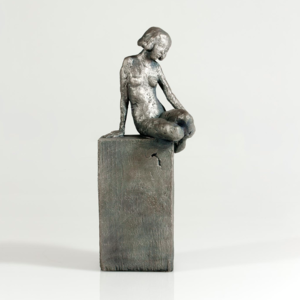
Sustainability plays an increasingly important role in the silver market too. Recycling silver in particular helps to conserve resources and reduce the environmental burden. Since silver can be reused, many investment products and pieces of jewellery already come from recycled material. Recovery takes place from old electronic devices, jewellery or industrial metals and saves energy and water compared with conventional mining.
Besides recycling, environmentally friendly silver extraction is also gaining in importance. Traditionally, silver mining burdens nature through the use of chemicals such as cyanide or mercury. Sustainable mines, however, rely on modern technologies that reduce water consumption and dispose of waste safely.
Anyone who opts for sustainable silver actively contributes to protecting the environment. With investment or art objects in particular, the conscious choice of ethically sourced raw materials can make a difference.