Limited artworks as an investment are works of art produced in a limited edition, which increases their rarity and their potential value. The supply here is deliberately kept scarce. Such works can include paintings, sculptures or prints by well-known artists. The limited edition increases the exclusivity and appeal for collectors and investors alike.
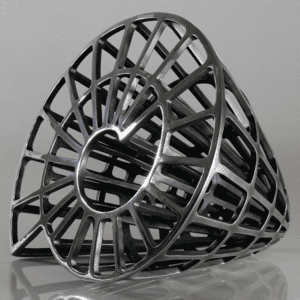
Investments in limited artworks therefore offer a promising opportunity to diversify your own investment portfolio. They represent a valuable hedge against inflation risk. Works of art of this kind show an independence from traditional financial markets, which makes them a stable asset.
In economically uncertain times, works of art can preserve their stability and their value. This characteristic makes them an attractive option for investors looking for safe investment opportunities.
Limited artworks combine aesthetic appeal with financial advantages, which makes them an interesting form of investment. But what do investors and collectors need to know?
Why you can trust me as an expert on the subject of “limited artworks”
My name is Frauke Deutsch and I founded BullionArt in order to unite my passion for art and for investment. My extensive expertise covers the art and precious metals markets, and I have specialised in high-quality and limited silver sculptures.
At BullionArt we concentrate on exclusive works of art that are produced in a limited edition and created by renowned artists. Our works of art combine aesthetic finesse with financial value, which makes them a sought-after form of investment. We place the greatest importance on quality and authenticity, which is why our customers value us as a trustworthy partner.
Through our careful selection and examination of the works of art, we ensure that every piece meets artistic and financial requirements alike.
An introduction to limited artworks as an investment
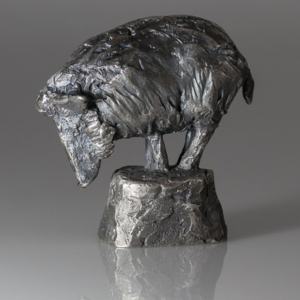
The global art market is largely dominated by the three biggest markets, China, the USA and the United Kingdom. Together these countries control more than eighty per cent of the entire art market, which underlines their central role in this field.
Within this market, modern art occupies an important place. With a market share of around 40 per cent, works of art from this period achieve the highest turnover.
Investments in limited artworks offer a unique way to benefit from this dynamic market. Limited artworks, produced in small numbers, possess a natural rarity that can increase their value.
Another advantage of art investments lies in their low correlation with traditional financial markets. This independence makes works of art particularly attractive in economically uncertain times, as they can serve as a stable asset. Beyond that they offer diversification of an investment portfolio and a hedge against inflation.
Through well-founded knowledge and a targeted selection of works, investors can benefit from the long-term increases in value that limited artworks offer.
Why invest in limited artworks?
Investments in limited artworks offer numerous advantages that make them an attractive form of investment. One of the main arguments for this kind of investment is the potential for an increase in value. Limited artworks are often valuable because of their limited availability and the frequently high demand for unique works by well-known artists. This rarity can lead to considerable gains in value, especially when an artist’s work grows in recognition over time.
Another advantage lies in the diversification of an investment portfolio. Works of art as a rule do not correlate with traditional financial markets such as shares or property. This means they can perform independently of the fluctuations of those markets. This independence offers investors a way to diversify their portfolio and spread risk.
The aesthetic and cultural value of works of art should likewise not be underestimated. Art enriches life, inspires and can create a deeper emotional bond than many other investments.
Investments in limited artworks by new artists can achieve particularly high returns, but they are more speculative and riskier. The success of these investments depends heavily on the artists’ future market value. A good eye and well-founded knowledge of the art market are called for here in order to identify the most promising talent.
Limited artworks also serve as protection against inflation, since physical assets tend to perform well in inflationary times. This helps to preserve the value of assets over the long term.
Kinds of limited artworks
There are various kinds of limited artworks that lend themselves to valuable investments. Here are some of the most important categories:
Prints and lithographs: these works are produced in a limited edition and often signed by renowned artists. They offer an affordable way to invest in art without the cost of original paintings.
Sculptures and three-dimensional works: limited sculptures, such as those by BullionArt in pure 999 fine silver, are not only artistically valuable but also possess an intrinsic value through the precious metal.
Photographs and digital art: these modern art forms are enjoying growing popularity. Limited editions of photographs and digital art offer collectors the opportunity to invest in contemporary works.
Paintings: original paintings, often by established or up-and-coming artists, are traditionally popular in the art market.
Criteria for selecting limited artworks

When selecting limited artworks as an investment, further well-founded criteria should be considered besides how well known the artist is, the size of the edition and the condition:
Market trends: current trends and developments on the art market can influence how the value of works of art develops. It is important to observe market sentiment and demand for particular styles or artists.
Subject and style: the subject and the artistic style of a work can likewise influence its value. Timeless or socially relevant themes often find greater and more lasting demand. An unmistakable style that identifies the artist can also contribute to an increase in value.
Technique and materials: the techniques and materials used can influence the durability and the value of a work of art. High-quality materials and innovative techniques that make the work unique can increase its appeal and the esteem in which it is held.
Exhibition history and publications: works of art that have been shown in renowned galleries or museums, or those mentioned in significant publications, often have a higher market value.
Provenance: the origin and ownership history of a work of art are decisive for its value. Complete and documented proof of provenance can confirm the authenticity and the historical value of the work. Works of art with a clear provenance are often more valuable and more sought after on the market.
By taking all these criteria comprehensively into account, investors can make well-founded decisions and maximise the potential of their art investments. Limited artworks as an investment have fundamental potential, provided investors and collectors choose the right pieces. On this subject you are also welcome to read our guide Silver collectibles: a guide for enthusiasts and investors.
Marketplaces and sources for acquiring limited artworks
Limited artworks can be acquired through various marketplaces and sources, each with its own advantages and particularities.
Galleries and art dealers are traditional places for buying works of art. They offer a curated selection and personal advice, which is particularly helpful for first-time buyers.
Auction houses are likewise significant players in the art market. They offer the opportunity to acquire rare and valuable works of art, often in a competitive setting that reflects the true market value of a work.
Online platforms and marketplaces have gained considerably in importance in recent years. Providers such as BullionArt offer the advantage of a broad range, accessibility and often lower transaction costs too. These platforms make it possible to choose and buy works of art comfortably from home.
By using these various sources, collectors and investors can make a well-founded choice and find limited artworks that match their aesthetic and financial goals.
Valuing and pricing limited artworks
Valuing and pricing limited artworks is a complex process that depends on various influencing factors. One essential factor is the artist. The artist’s reputation, renown and previous success can considerably influence the value of a work.
With works of art by BullionArt, the silver price plays a large role, as the works consist of pure 999 fine silver. The market price of the precious metal used can therefore directly influence the pricing. If the silver price rises, this will also have a positive effect on limited artworks as an investment. In this connection you are also welcome to look at our guide on the subject of “silver as an investment”.
Methods of art valuation vary, but as a rule they involve a combination of comparative market analyses, historical sale prices of similar works and a close examination of the specific characteristics of the work. These include the technique, the material, the state of preservation and the provenance of the work.
Valuers and experts play a decisive role in assessing works of art. They have the necessary specialist knowledge and experience to make well-founded assessments. In addition, auction results and market trends can provide valuable information that feeds into the pricing.
The combination of all these factors and methods allows a well-founded and transparent valuation of limited artworks, which is of great importance for collectors and investors alike.
Risks and challenges with limited artworks
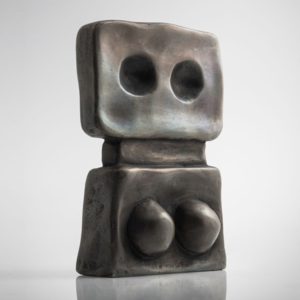
Investments in limited artworks come with various risks and challenges that have to be weighed carefully. One central risk is market volatility and fluctuations in value. The art market can swing sharply, influenced by economic conditions, trends and the popularity of individual artists. This volatility can mean that the value of a work rises or falls considerably, which creates uncertainty for investors.
Another considerable risk is forgery and fraud. The art market is susceptible to fake works and fraudulent activity, which underlines the importance of authenticity and provenance. It is essential to buy works only from trustworthy sources.
Storage and insurance are likewise important aspects that have to be considered. Works of art must be stored under conditions that ensure their preservation. Temperature, humidity and light can affect the condition of a work. For valuable pieces, special insurance is necessary that covers risks such as theft, fire and damage.
On our own behalf: sculptures by BullionArt do not have to be kept in a safe, as their design and materials mean they are not immediately recognisable as valuable fine silver artworks. This offers a certain protection against theft, since potential thieves may not recognise their true value.
In addition to these risks, changes in an artist’s career and their effect on the market value of a work can also present challenges. If an artist loses standing or attracts negative attention, this can reduce the value of their works.
Careful research, buying from trustworthy sources and involving experts can help to master these challenges and to maximise the chances of a successful investment.
Tips for aspiring art collectors and investors
For aspiring art collectors and investors there are several important tips that can make entering the art world easier and improve the chances of successful investments. You will find further information in this comprehensive guide to investing in art.
Building a network: building a network of art dealers, gallerists and other collectors can offer valuable insights and opportunities. Expert advice is essential in order to make well-founded decisions and to minimise the risk of forgeries.
Long-term strategies and planning: art investments require patience and a long-term perspective. It is important to develop a clear strategy that takes account of short-term gains as well as long-term increases in value. Diversification can spread risk and increase the potential for gains in value.
Continuing education and observing the market: continuing education is decisive for success as an art investor. This includes studying market trends and current developments. Observing the art market, by following auction results and market reports, makes it possible to recognise trends.
Success as an art collector and investor depends on careful planning, continuing education and building a strong network.