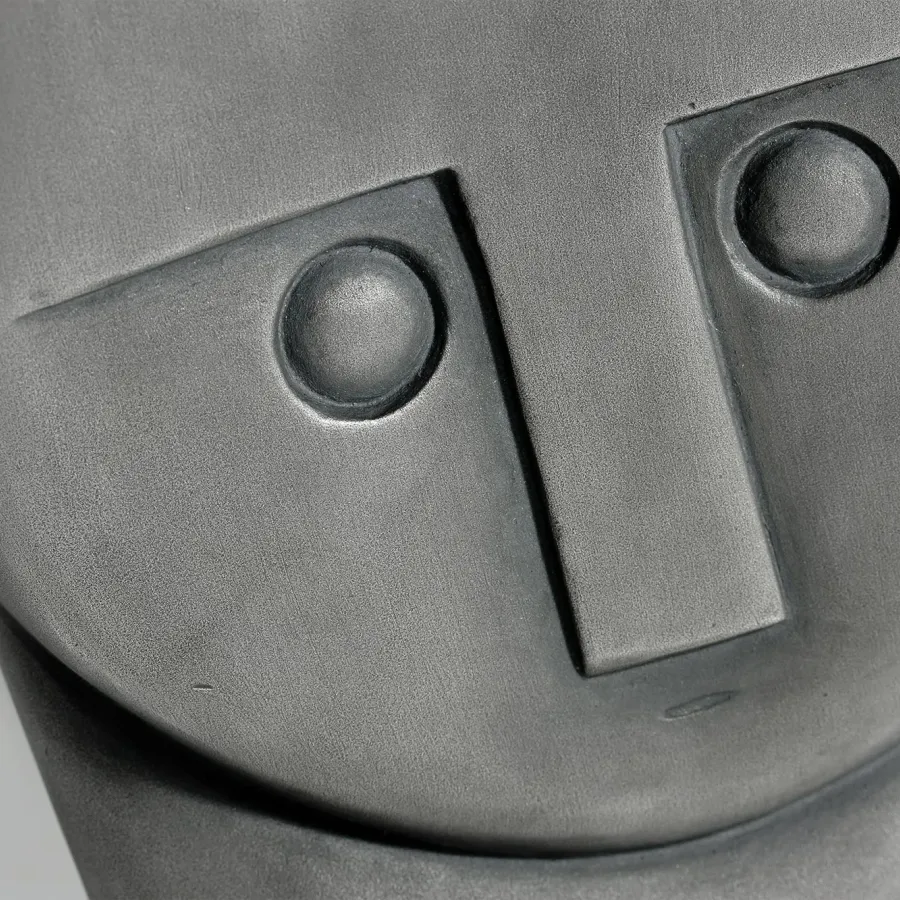
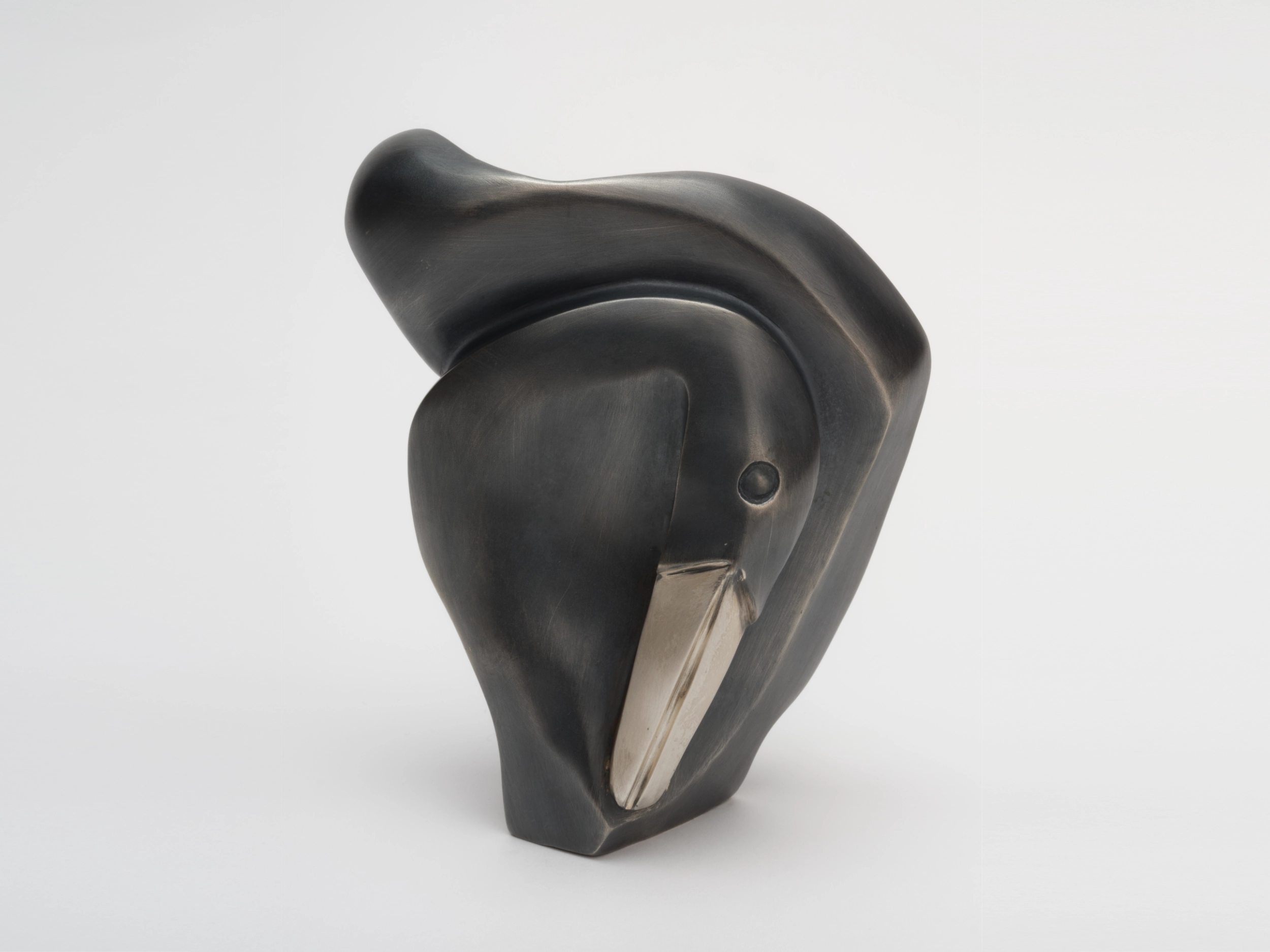
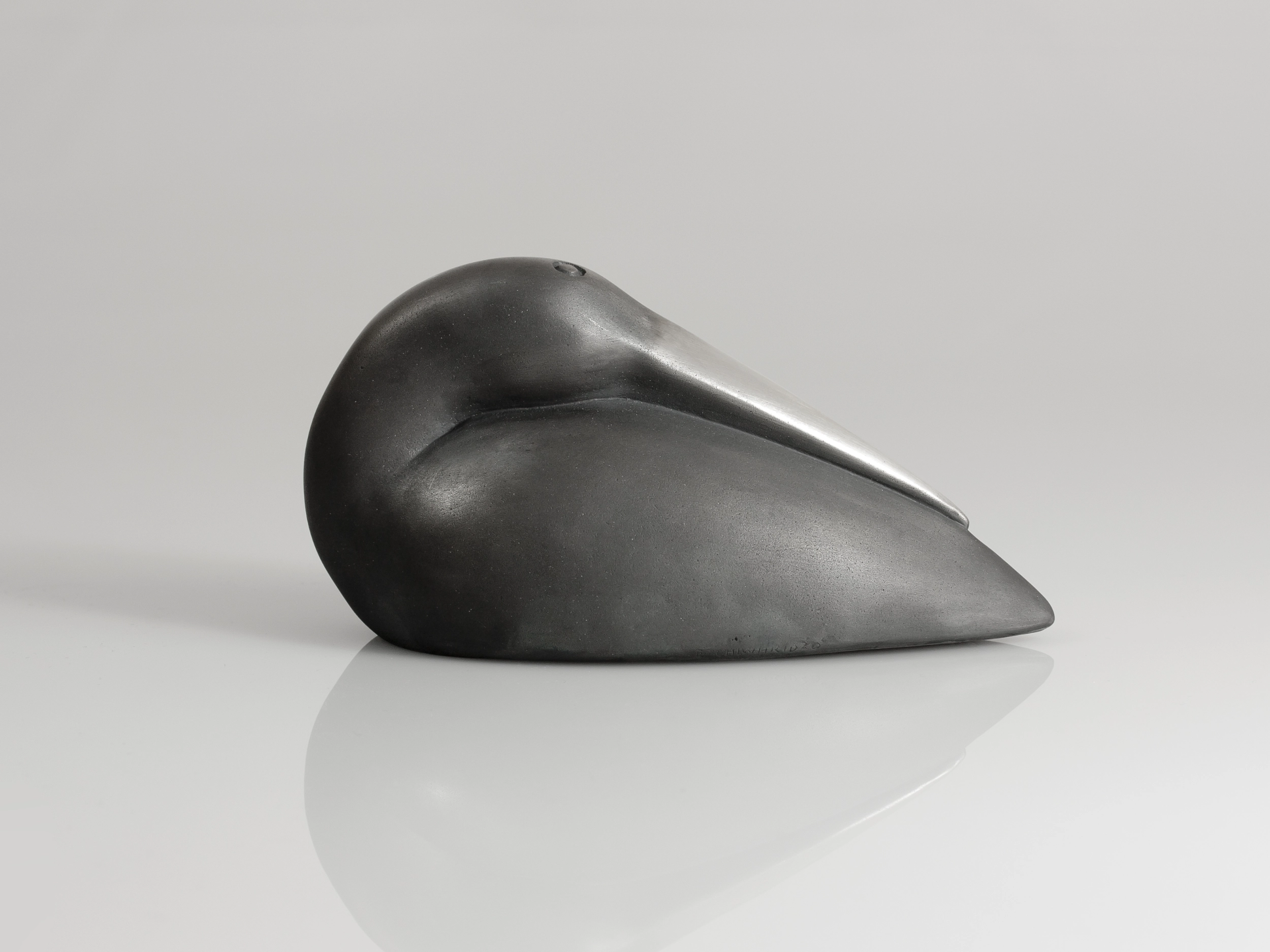
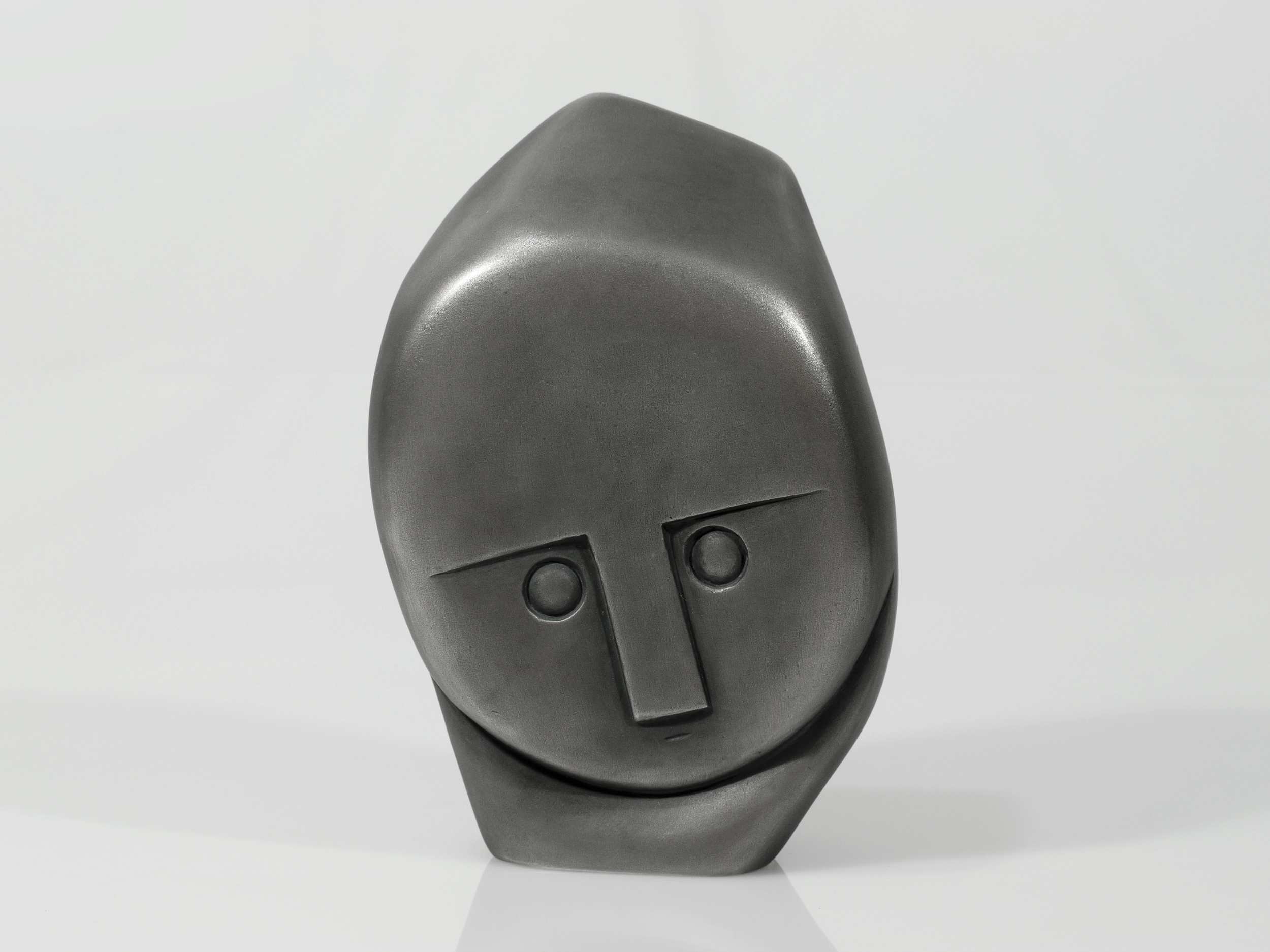
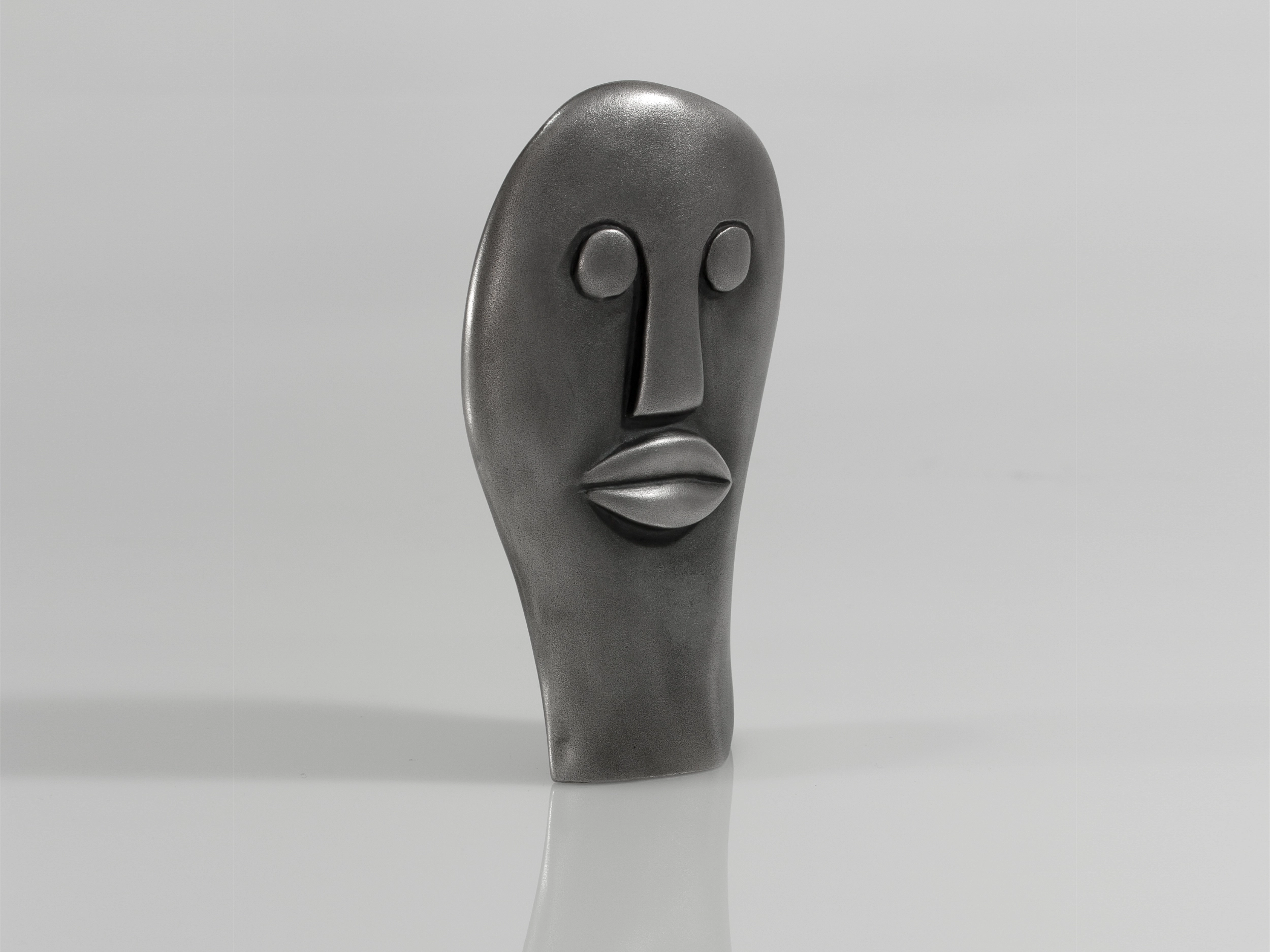
The stone art of Zimbabwe has a long historical background. Its origins go back to the 11th to 15th centuries. The first finds were made at “Great Zimbabwe”, the most significant site of ruins south of the Sahara. The stone sculptures of that period show the forms of an ancient bird, today the national symbol of Zimbabwe.
Sculptures from Zimbabwe are on display at the Museum of Modern Art in New York, at the Museé Rodin in Paris, at the Völkerkundemuseum in Frankfurt and in other major museums around the world. Acclaimed exhibitions have been held in Sydney, London and Amsterdam, at the Bienale in Venedig and at the World Exposition in Sevilla.
Many motifs are connected with the traditional fabric of society. The preferred stone is serpentine. This type of rock is around 2.6 billion years old and is found in large deposits throughout Zimbabwe. The powerful expression, the minimalist forms, the frequently recurring motifs and the ancient material make an ideal starting point for translating selected beautiful motifs into precious metal. Unlike stone, precious metals probably preserve these forms and motifs only temporarily. Much as with jewellery in India, they may later be melted down into more contemporary art forms, or into something else entirely.
Shona motifs in silver radiate a curious appeal of their own. They are once again a wholly different world from the figures in “eternal” stone. Perhaps it is precisely this mixture of eternity, impending transience and ever-recurring change that creates the particular magic of Shona sculptures in silver. Time and eternity — chained to one another in a provisional sculpture, or, as Brecht put it:
“We know that we are only provisional. After us will come — nothing worth mentioning.”